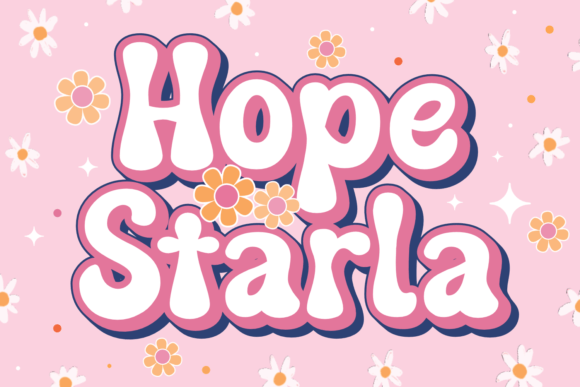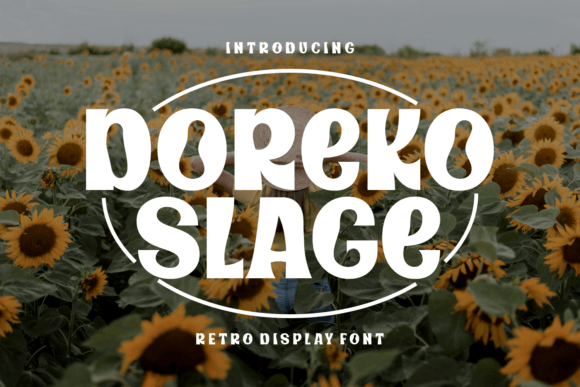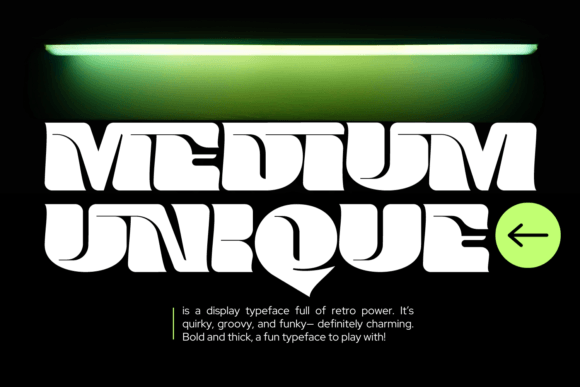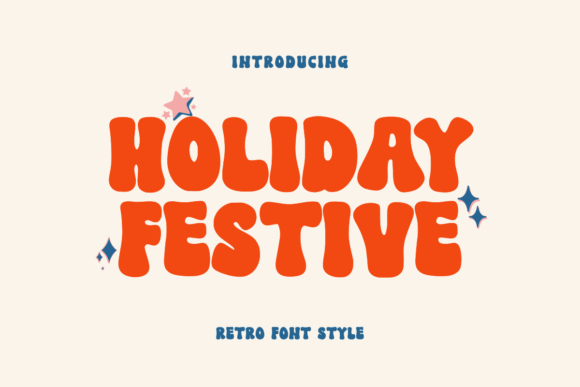
Groovy Era: Bridging Retro Charm with Modern Design Needs
In the fast-paced world of digital design, trends often cycle with predictable regularity. Yet, some aesthetic choices transcend fleeting fads, offering a sense of warmth and familiarity that modern minimalism sometimes lacks. This is where Groovy Era finds its place. It is not merely a typeface; it is a visual bridge connecting the vibrant energy of the past with the clean, functional demands of contemporary branding. For designers, marketers, and content creators, understanding how to leverage this font means tapping into a deep well of emotional resonance while maintaining professional credibility.
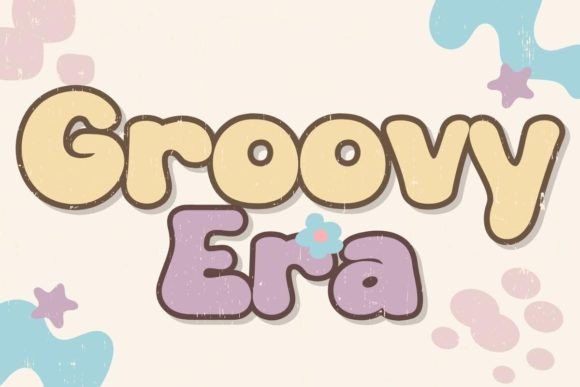
The appeal of retro-inspired typography has surged in recent years, driven by a cultural desire for authenticity and nostalgia. However, simply slapping a vintage font on a modern website is rarely enough. The key lies in balance. Groovy Era offers a unique solution because it captures the spirit of the 1970s—think bold curves, organic shapes, and confident presence—without sacrificing legibility or versatility. It invites users to step into a nostalgic allure while remaining firmly grounded in current design standards.
The Resurgence of Nostalgic Typography in Digital Spaces
Why are we seeing a return to styles reminiscent of the mid-to-late 20th century? The answer lies in user psychology. In an era dominated by sleek, sans-serif interfaces and corporate uniformity, consumers are increasingly drawn to brands that feel human, approachable, and distinct. Nostalgia acts as a powerful emotional trigger, creating an instant sense of trust and comfort. When a viewer encounters Groovy Era, they are not just reading text; they are experiencing a mood.
This shift is evident across various industries. From craft coffee shops to tech startups aiming to appear less sterile, businesses are adopting typography that tells a story. The versatility of this specific font family allows it to adapt to these diverse needs. It does not scream "vintage" in a way that feels dated or kitschy. Instead, it whispers of a timeless classic, making it suitable for both a retro-themed music festival poster and a modern lifestyle blog header.
Moreover, the rise of social media platforms like Instagram and TikTok has accelerated the visual consumption of content. Brands need to stop the scroll. A distinctive typographic choice can serve as a visual hook. Groovy Era, with its characteristic curves and weight, stands out against the backdrop of standard system fonts, offering a subtle yet effective differentiation strategy.
Practical Applications for Creators and Businesses
Understanding the aesthetic value of a font is one thing; applying it effectively is another. For professionals and entrepreneurs, the practical implications of choosing Groovy Era extend beyond mere appearance. It influences brand perception, readability, and user engagement. Here are several contexts where this font shines:
- Brand Identity and Logos: For businesses looking to establish a friendly, approachable image, this font works exceptionally well in logotypes. Its rounded terminals and balanced proportions convey stability without rigidity.
- Packaging Design: In the consumer goods sector, particularly for artisanal products, food, and beverages, the nostalgic charm of Groovy Era can enhance shelf appeal. It suggests quality, tradition, and care.
- Digital Headlines: While not ideal for long body text due to its decorative nature, it excels as a display font for website headers, blog titles, and call-to-action buttons. It draws the eye and sets the tone for the content that follows.
- Social Media Graphics: Quotes, announcements, and promotional graphics benefit from the font’s personality. It adds character to static images, making them more shareable and engaging.
It is crucial, however, to use such distinctive typography with restraint. Overuse can lead to visual fatigue. The best practice is to pair Groovy Era with a clean, neutral sans-serif or serif font for body copy. This contrast ensures that the design remains readable and professional, allowing the groovy elements to serve as accents rather than overwhelming the viewer.
Navigating Modern Workflows with Classic Aesthetics
Integrating a font like Groovy Era into modern design workflows requires a thoughtful approach. Today’s designers operate in environments that prioritize speed, responsiveness, and accessibility. A font that looks great on a desktop monitor must also perform well on mobile devices and across different browsers.
One of the strengths of this typeface is its adaptability. Whether you are working in Adobe Creative Cloud, Figma, or Canva, the font files are typically optimized for digital use. This means designers can experiment with kerning, leading, and scaling without losing clarity. For freelancers and agency teams, this reliability reduces revision time and ensures consistent output across various deliverables.
Furthermore, the trend towards "human-centric" design aligns perfectly with the ethos of Groovy Era. As companies move away from cold, corporate aesthetics toward more empathetic branding, typography plays a pivotal role. This font helps humanize digital interactions. It reminds users that there are people behind the screen, fostering a connection that pure utility cannot achieve.
Considerations for Accessibility and Inclusivity
While aesthetic appeal is important, accessibility must never be compromised. When using decorative fonts like Groovy Era, designers must ensure that text remains legible for all users, including those with visual impairments. This involves careful attention to contrast ratios, font size, and spacing.
For instance, avoid using this font for small print or critical information such as legal disclaimers or navigation menus. Reserve it for larger, decorative elements where its shape can be appreciated without straining the eyes. By adhering to Web Content Accessibility Guidelines (WCAG), creators can enjoy the creative freedom of nostalgic typography while maintaining an inclusive digital environment.
The Evolution of Retro Trends in Contemporary Marketing
The marketing landscape is constantly evolving, but the core principle remains: connect with your audience on an emotional level. The resurgence of 70s-inspired design is not just a stylistic choice; it reflects a broader cultural moment. People are seeking comfort, stability, and joy in uncertain times. Groovy Era taps into this sentiment by evoking memories of a perceived simpler, more vibrant past.
However, modern marketing also demands authenticity. Consumers are savvy; they can detect when a brand is artificially manufacturing nostalgia. Therefore, the use of this font should align with the brand’s genuine values and story. If a company prides itself on craftsmanship, heritage, or community, Groovy Era reinforces those messages visually. If the brand is strictly futuristic or high-tech, the juxtaposition might feel disjointed unless handled with extreme care and irony.
Successful campaigns often blend the old with the new. Imagine a tech company using Groovy Era for a campaign about "disconnecting to reconnect," pairing the retro font with minimalist imagery. This contrast creates intrigue and highlights the message effectively. It shows that the font is not stuck in the past but is a flexible tool for contemporary storytelling.
Strategic Recommendations for Implementation
To make the most of Groovy Era, consider the following strategic steps:
- Define Your Brand Voice: Does your brand lean towards playful, serious, elegant, or rugged? Ensure the font aligns with your core voice. Groovy Era leans towards friendly, confident, and creative.
- Test Across Devices: Always preview your designs on multiple screens. What looks balanced on a large monitor may appear cramped on a smartphone. Adjust sizing and spacing accordingly.
- Limit Color Palettes: Retro fonts often pair well with muted, earthy tones or bold, contrasting colors typical of the 70s. However, keep the palette limited to maintain a modern, clean look. Avoid overly chaotic color combinations that detract from readability.
- Seek Feedback: Before finalizing any major branding update, gather feedback from a diverse group of users. Ask them how the typography makes them feel. Does it convey the intended message? Is it easy to read?
By approaching Groovy Era with intention and strategy, designers and business owners can create visuals that are not only beautiful but also effective. It is a tool that respects the past while serving the present, offering a timeless charm that resonates with audiences across generations.
In conclusion, the enduring appeal of this font lies in its ability to evoke emotion without sacrificing function. It is a reminder that design is not just about aesthetics; it is about communication. By embracing the versatility of Groovy Era, creators can infuse their work with a touch of enduring charm, bridging the gap between nostalgia and modernity. Whether you are designing a logo, a website, or a social media campaign, let this font inspire you to create something that feels both familiar and fresh. In a world of constant change, sometimes the most forward-looking step is to look back with clarity and purpose.