Loope Retro: Evaluating a Joyful Retro-Style Display Font
In the expansive world of typography, finding a typeface that balances nostalgia with modern legibility can be a challenge for designers. Loope Retro emerges as a distinct option in this category, offering a joyful, retro-style aesthetic designed to evoke warmth and playfulness. As a display font, it is engineered specifically for headlines and short-form text rather than long-body copy. Understanding its unique character set, visual weight, and optimal use cases is essential for designers, marketers, and business owners evaluating whether it aligns with their specific project goals.
Understanding the Aesthetic of Loope Retro
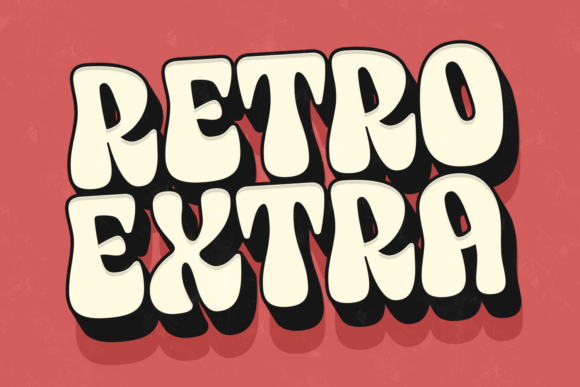
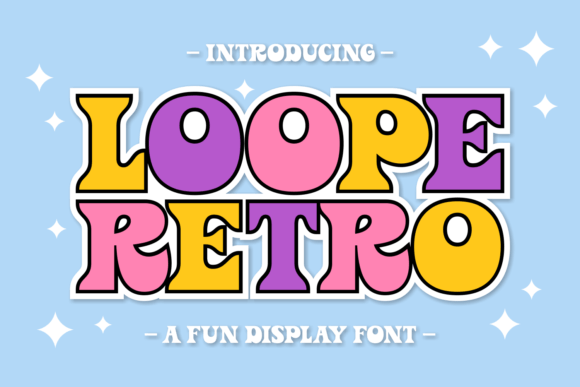
Loope Retro is characterized by its charming and unique set of characters. The design draws heavily from mid-20th-century signage and advertising styles, featuring rounded terminals, consistent stroke widths, and a generally approachable demeanor. Unlike stark, geometric sans-serifs or highly decorative scripts, this font occupies a middle ground where readability meets personality. The "joyful" descriptor often associated with Loope Retro refers to its open counters and slightly irregular proportions, which prevent the text from feeling rigid or corporate.
For those unfamiliar with display typography, it is important to note that these fonts are not intended for paragraphs of text. Instead, they serve as visual anchors. When you incorporate Loope Retro into a design, you are making a statement about tone. It suggests friendliness, accessibility, and a touch of vintage flair. This makes it a compelling choice for brands that wish to distance themselves from cold, minimalist trends and instead foster a sense of community and nostalgia.
Primary Use Cases and Applications
The versatility of Loope Retro lies in its ability to adapt to various physical and digital mediums. Because it maintains clarity at larger sizes, it performs exceptionally well in situations where immediate visual impact is required. Below are several contexts where this typeface tends to shine:
- Posters and Event Signage: The bold nature of the font ensures that key information stands out from a distance. Whether for a music festival, a local market, or a community event, the retro vibe adds an inviting layer to the announcement.
- Apparel and Kids’ T-Shirts: The playful curves of the characters make Loope Retro a strong candidate for clothing design. It appeals to a younger demographic and parents looking for non-aggressive, cheerful graphics. Its simplicity allows it to pair well with illustrative elements without creating visual clutter.
- Covers and Packaging: Book covers, album art, and product packaging benefit from the unique personality of this font. It can help a product stand out on a shelf by conveying a sense of artisanal quality or handmade care.
- Banners and Titles: In web design and digital marketing, using Loope Retro for hero sections or banner ads can break the monotony of standard web-safe fonts. It draws the eye and sets a positive emotional tone before the user even reads the content.
Benefits and Strategic Advantages
Choosing Loope Retro offers several strategic benefits for design projects. First, it provides instant brand differentiation. In a market saturated with clean, neutral sans-serifs, a retro-style display font can help a brand establish a memorable visual identity. Second, the font’s inherent charm reduces the need for excessive graphical embellishment. The typography itself acts as a design element, potentially simplifying the overall layout process.
Furthermore, the emotional resonance of retro typography should not be underestimated. Consumers often associate these styles with authenticity and trustworthiness. By using Loope Retro, businesses can tap into these subconscious associations, making their messaging feel more grounded and less transient. This is particularly valuable for small businesses, cafes, boutiques, and educational services that rely on personal connections with their clientele.
Tradeoffs and Design Considerations
While Loope Retro is a powerful tool, it is not without limitations. A balanced evaluation requires acknowledging where it may fall short. The primary tradeoff is legibility at smaller sizes. Display fonts often sacrifice fine details for impact, which can result in characters becoming indistinct when scaled down. Therefore, using Loope Retro for body text, footnotes, or complex data tables is strongly discouraged. Doing so would strain the reader’s eyes and diminish the professional quality of the document.
Another consideration is contextual appropriateness. The joyful and casual nature of Loope Retro may clash with industries that require a tone of strict seriousness, authority, or luxury. For example, legal firms, high-end financial institutions, or medical journals might find the font too informal for their primary branding. In these scenarios, the font could undermine the perceived credibility of the organization. Designers must carefully assess whether the "fun" attribute aligns with the core values of the brand they are representing.
When to Consider Alternatives
There are specific situations where exploring alternative typefaces might yield better results. If a project requires extensive body copy, a complementary serif or sans-serif font with high x-height and open spacing would be a more practical choice. Loope Retro can still be used in these projects, but only for headers, while a more neutral font handles the informational load.
Additionally, if the design brief calls for a futuristic, tech-forward, or ultra-minimalist aesthetic, Loope Retro’s organic, vintage qualities may feel out of place. In such cases, geometric sans-serifs or monospaced fonts might better communicate the desired message of innovation and precision. Similarly, for luxury branding that relies on elegance and exclusivity, high-contrast serifs or refined scripts are typically more effective than the approachable charm of a retro display font.
Practical Decision-Making Insights
To determine if Loope Retro is the right fit for your next project, consider the following decision framework:
- Define the Emotional Goal: Do you want the audience to feel happy, nostalgic, and welcomed? If yes, Loope Retro is a strong contender. If the goal is to convey urgency, fear, or strict professionalism, look elsewhere.
- Assess the Medium: Will the text be viewed primarily at a large size (posters, shirts, headers)? If yes, the font will perform well. If the text needs to be read in small print (contracts, manuals), avoid using it as the primary typeface.
- Evaluate Brand Consistency: Does your existing brand palette and imagery support a retro or playful theme? Loope Retro works best when integrated into a cohesive design system that includes complementary colors and graphics.
- Test Legibility: Always print or preview the font at the intended size. What looks good on a large monitor may lose definition when printed on fabric or viewed on a mobile device.
Ultimately, Loope Retro is a specialized tool in the designer’s toolkit. It excels in creating charming typography designs that capture attention and evoke positive emotions. By understanding its strengths in posters, apparel, and signage, and respecting its limitations regarding body text and formal contexts, users can leverage this font to create impactful, visually engaging materials. The key to success lies in matching the font’s joyful personality with the right message and medium, ensuring that the typography enhances rather than distracts from the overall communication strategy.