Lyzero: Elevate Designs with Retro Flair
In the fast-paced world of visual communication, standing out often means looking back. Design trends are cyclical, and currently, the vibrant energy of the 1970s is experiencing a significant resurgence. At the heart of this revival is Lyzero, a typeface that captures the groovy essence of that era while offering the clarity needed for modern applications. For designers, marketers, and content creators, understanding how to leverage such a distinctive font can transform a standard project into a memorable brand experience.
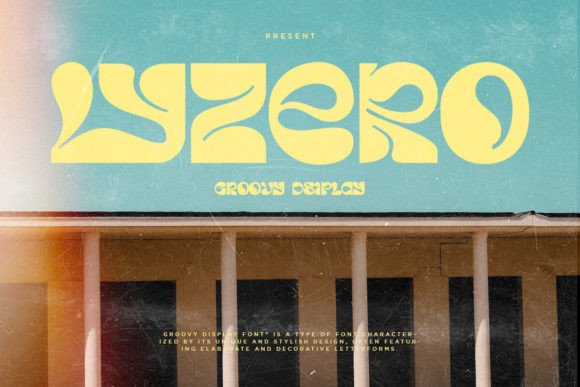
Lyzero is not merely a collection of letters; it is a stylistic statement. With its unique, ’70s-inspired design, it combines funky curves and vintage aesthetics to create an eye-catching typography look. The characters possess a sparkling quality, infusing layouts with a sense of movement and joy. This makes Lyzero an ideal choice for projects aiming to evoke nostalgia without sacrificing contemporary relevance. Whether you are designing a poster, a social media graphic, or packaging, this font offers a direct line to the emotional resonance of the past.
Capturing Attention Through Nostalgic Design
The primary advantage of using a font like Lyzero is its ability to halt the scroll. In digital environments saturated with minimalist sans-serifs and clean corporate typography, a groovy retro font creates immediate visual contrast. This contrast is crucial for capturing attention in the first few seconds of exposure. When a viewer encounters Lyzero, they are not just reading text; they are experiencing a mood. The vibrant style triggers associations with music festivals, vintage fashion, and a carefree cultural attitude.
For marketers and small business owners, this emotional connection is invaluable. It allows brands to humanize their messaging and appear more approachable. Consider a local coffee shop launching a new summer blend. Using a sterile, modern font might convey efficiency, but it fails to convey warmth. Lyzero, with its organic shapes and retro charm, suggests a relaxed, enjoyable experience. It tells the customer that this product is about savoring the moment, aligning the visual identity with the desired consumer behavior.
Practical Applications for Creative Professionals
While the aesthetic appeal of Lyzero is obvious, its practical utility extends across various industries. Understanding where this font fits best helps professionals maximize its impact while avoiding misuse. Here are several contexts where Lyzero shines:
- Event Promotion: Music festivals, art exhibitions, and community gatherings benefit immensely from the energetic vibe of Lyzero. It communicates fun and excitement before the reader even processes the event details.
- Product Packaging: For artisanal goods, craft beers, or vintage-inspired clothing lines, Lyzero adds authenticity. It reinforces the story of the product, suggesting handcrafted quality and heritage.
- Social Media Content: Instagram posts and Pinterest pins require strong visual hooks. Lyzero’s bold characters work well for short, punchy headlines that need to pop against photographic backgrounds.
- Editorial Headers: Magazines and blogs focusing on culture, travel, or lifestyle can use Lyzero for section headers to break up text and add personality to long-form content.
However, versatility does not mean ubiquity. It is essential to recognize that Lyzero is a display font. Its intricate details and stylized forms make it less suitable for long bodies of text. Using it for paragraphs can reduce readability and cause eye strain. Instead, pair it with a clean, neutral sans-serif or a simple serif font for body copy. This combination ensures that the headline grabs attention while the supporting text remains easy to digest.
Enhancing Brand Identity with Vintage Elements
Brand identity is more than a logo; it is the consistent application of visual elements that communicate values. Incorporating Lyzero into a brand’s toolkit can signal a commitment to creativity, individuality, and fun. For entrepreneurs and freelancers, this differentiation is key. In crowded markets, brands that dare to be different often build stronger loyal followings.
Consider a freelance graphic designer specializing in boutique hospitality clients. By consistently using Lyzero in their portfolio presentations and mockups, they establish a niche expertise in retro-modern design. Potential clients begin to associate the font with the designer’s unique style, making them the go-to choice for projects requiring that specific aesthetic. This strategic use of typography supports business goals by clarifying the service offering and attracting the right target audience.
Moreover, Lyzero supports storytelling. Brands often struggle to convey their history or ethos quickly. A font with inherent character can do some of that heavy lifting. If a company wants to highlight its roots in a specific decade or its appreciation for classic craftsmanship, Lyzero visually reinforces that narrative. It acts as a shorthand for "authentic" and "time-tested," qualities that consumers increasingly value in an age of mass production.
Navigating Design Constraints and Best Practices
To get the most out of Lyzero, one must respect its limitations. Retro fonts can sometimes feel cluttered if not given enough breathing room. When designing with Lyzero, prioritize white space. Allow the characters to stand out without competing with busy backgrounds or excessive graphical elements. High-contrast color palettes often work best, echoing the bold hues of the 1970s—think mustard yellows, avocado greens, and burnt oranges paired with deep browns or crisp whites.
Another consideration is legibility across different mediums. While Lyzero looks stunning in print and high-resolution digital displays, test it thoroughly on smaller screens. Ensure that the "sparkling" details do not become pixelated or lost on mobile devices. If necessary, adjust tracking (letter spacing) slightly to improve clarity without compromising the font’s cohesive look.
It is also wise to consider the cultural context. While the 1970s aesthetic is broadly popular, ensure that the tone aligns with your brand’s voice. A financial institution might find Lyzero too informal, whereas a creative agency would embrace it. Always ask: Does this font support the message, or does it distract from it? The goal is harmony between form and function.
Conclusion: Embracing the Retro Revival
Lyzero represents more than a trend; it is a tool for effective communication in a visually noisy world. By tapping into the nostalgic power of the 1970s, it offers designers and businesses a way to connect with audiences on an emotional level. Its groovy, retro theme brings a classic feel that is both familiar and fresh. For those willing to experiment with bold typography, Lyzero provides the opportunity to create designs that are not only seen but felt.
Whether you are updating a brand identity, launching a new product, or simply looking to add some vibrancy to your next project, consider the potential of Lyzero. It invites you to step away from the safe and predictable, offering a path toward more engaging, expressive, and memorable visual communications. In doing so, it proves that sometimes, the best way forward is to take inspiration from the past.