Santa Cruze: Evaluating a Bold, Cute Display Font for Modern Design Projects
In the crowded landscape of digital typography, finding a typeface that balances personality with readability is often a challenge for designers. Santa Cruze emerges as a distinct option in this space, positioning itself as a unique, bold, and cute display font. For creative professionals, marketers, and hobbyists alike, the decision to integrate a new typeface into a project library requires more than just aesthetic appeal; it demands an understanding of utility, versatility, and contextual fit. This article explores the characteristics of Santa Cruze, comparing its attributes against broader typographic categories to help you determine if it is the right asset for your next creation.
Defining the Aesthetic: What Makes Santa Cruze Distinct?
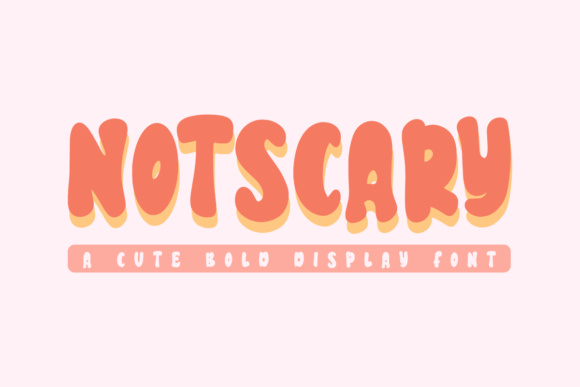
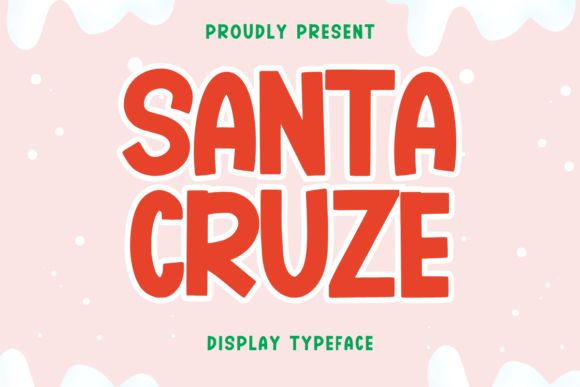
At its core, Santa Cruze is designed to capture attention. As a display font, its primary function is not to handle long blocks of text but to serve as a visual anchor in headers, titles, logos, and short promotional copy. The descriptor "bold" refers to its weight and presence on the page, while "cute" hints at its rounded terminals, approachable curves, and playful geometry. This combination creates a tone that is confident yet friendly, making it suitable for brands or projects that wish to appear authoritative without being intimidating.
The uniqueness of Santa Cruze lies in its ability to bridge the gap between whimsical and professional. Many fonts that lean heavily into the "cute" category risk appearing juvenile or overly casual, which can limit their application in semi-professional contexts. Conversely, strictly bold fonts can sometimes feel aggressive or cold. Santa Cruze attempts to navigate this middle ground, offering a stylized look that retains a sense of warmth. For designers evaluating font libraries, this duality is a significant consideration. It suggests that the font can adapt to various industries, from children’s education products to lifestyle blogs and boutique retail branding.
Comparative Analysis: Display Fonts vs. Functional Typography
To understand where Santa Cruze fits in a design ecosystem, it is helpful to compare it with other typographic categories. When building a font library, one typically encounters three main groups: serif body fonts, sans-serif workhorses, and decorative display fonts.
- Sans-Serif Workhorses: Fonts like Helvetica or Open Sans are designed for maximum legibility across devices. They are neutral and invisible, allowing the content to take center stage. Santa Cruze is the opposite; it is meant to be seen. If your project requires extensive reading, such as a whitepaper or a news article, Santa Cruze is not the appropriate choice. However, for a landing page header where you need to stop the scroll, its bold character offers a clear advantage over neutral sans-serifs.
- Traditional Serifs: Serif fonts often convey tradition, luxury, or academic rigor. While Santa Cruze can be used in modern branding, it lacks the historical weight and formal elegance of a classic serif. If you are designing for a law firm or a high-end jewelry brand, the playful nature of Santa Cruze might undermine the desired perception of exclusivity and seriousness.
- Other Display Options: Within the display category, fonts range from handwritten scripts to geometric abstractions. Santa Cruze distinguishes itself through its balance of structure and softness. Unlike chaotic brush scripts that can be difficult to read, or rigid geometric fonts that feel industrial, Santa Cruze maintains a consistent rhythm that is both eye-catching and relatively easy to decipher at large sizes.
Practical Use Cases and Best-Fit Scenarios
Identifying the right context for Santa Cruze is crucial for maximizing its impact. Because it is a display font, its effectiveness diminishes rapidly as the font size decreases. Here are several scenarios where Santa Cruze is likely to be a strong asset:
- Brand Identity and Logos: For startups or small businesses aiming for a friendly, approachable image, Santa Cruze can serve as the foundation for a logotype. Its boldness ensures visibility on business cards and signage, while its cute elements make the brand feel accessible.
- Social Media Graphics: In the fast-paced environment of Instagram, Pinterest, or TikTok, visuals must communicate quickly. Santa Cruze works well for quote cards, event announcements, or product highlights where the text is minimal but needs to pop against a background image.
- Packaging Design: Consumer goods, particularly those in the food, beverage, or cosmetic sectors, benefit from typography that conveys flavor or feeling. Santa Cruze could effectively label a artisanal cookie box or a organic skincare line, suggesting quality without pretension.
- Web Headers and Hero Sections: On websites, the hero section is the first thing a visitor sees. Using Santa Cruze here can set the tone immediately. It pairs well with a clean, simple sans-serif for the body text, creating a hierarchy that guides the user’s eye.
Limitations and Tradeoffs to Consider
No font is universally applicable, and Santa Cruze is no exception. Understanding its limitations is just as important as recognizing its strengths. One primary tradeoff is legibility at smaller sizes. Display fonts often feature exaggerated proportions or unique letterforms that become indistinct when scaled down. Using Santa Cruze for paragraph text, footnotes, or navigation menus will likely result in a poor user experience, causing eye strain and reducing readability.
Another consideration is tonal mismatch. While "cute" and "bold" are versatile descriptors, they do not fit every narrative. If you are designing materials for a crisis communication campaign, a financial audit report, or a technical manual, the playful undertones of Santa Cruze may detract from the gravity or precision required. In these instances, a more neutral or traditional typeface would be a safer, more effective choice.
Furthermore, designers must consider pairing. Because Santa Cruze has a strong personality, it can dominate a layout. Pairing it with another decorative font can create visual clutter and confusion. It requires a subdued partner—typically a simple sans-serif or a lightweight serif—to maintain balance. This limits flexibility slightly, as you cannot simply swap in any secondary font without reconsidering the overall harmony of the design.
Making an Informed Decision for Your Font Library
When evaluating whether to add Santa Cruze to your collection, consider your current portfolio gaps. Do you already have several heavy, industrial display fonts? If so, Santa Cruze might offer a necessary softer alternative. Do you lack options for playful, youth-oriented projects? In that case, it fills a specific niche. The value of a font library lies in its diversity, not just the quantity of files.
It is also wise to test the font in real-world conditions before committing. Create a mockup of a typical project you work on. Apply Santa Cruze to a headline and pair it with your standard body font. Assess the contrast, the spacing, and the overall mood. Does it enhance the message, or does it distract from it? This practical evaluation is far more reliable than viewing isolated glyphs in a preview window.
Ultimately, Santa Cruze represents a strategic tool for specific design challenges. It is not a replacement for your foundational typography but rather a specialized instrument for adding character and emphasis. By understanding its bold, cute nature and respecting its limitations as a display font, you can leverage it to create engaging, memorable designs that resonate with your audience. Whether you are refreshing a brand identity or crafting a social media campaign, Santa Cruze offers a compelling blend of fun and function that, when used correctly, can significantly elevate your visual communication.