The Strategic Power of Bold Display Typography: Why Milanito Captures Modern Attention
In the saturated digital landscape of 2024 and beyond, visual hierarchy is no longer just a design principle; it is a business imperative. Brands, creators, and marketers are constantly battling for milliseconds of user attention. In this high-stakes environment, typography has evolved from a passive vessel for information into an active agent of communication. Among the myriad tools available to modern designers, Milanito has emerged as a distinctive choice for those seeking to make an immediate, undeniable impact. This classic block display font, characterized by its all-caps structure, wide proportions, and approachable rounded corners, represents more than just an aesthetic preference. It embodies a shift toward clarity, confidence, and human-centric design in professional workflows.
Defining the Aesthetic: What Makes Milanito Distinct?
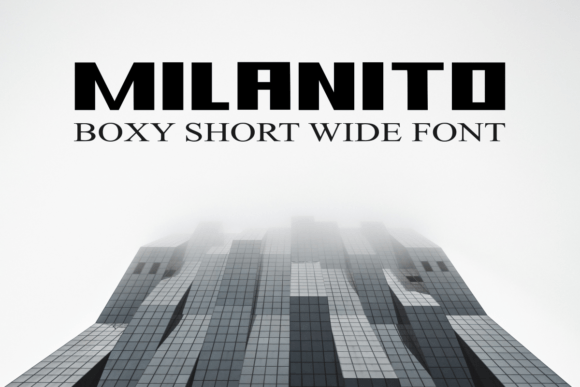
To understand the utility of Milanito, one must first dissect its anatomical features. It is not merely a bold font; it is a statement piece. As a classic block display typeface, it operates best at larger sizes, serving as the visual anchor for headlines, posters, packaging, and hero sections on websites. Its all-caps construction eliminates the visual noise of ascenders and descenders, creating a uniform, solid block of text that commands space.
However, what prevents Milanito from feeling aggressive or industrial is its subtle softness. The rounded corners introduce a layer of friendliness and accessibility. This juxtaposition—bold and wide yet soft and inviting—is crucial. It allows the font to convey strength without intimidation. For entrepreneurs and marketers, this balance is invaluable. It suggests a brand that is confident in its value proposition but remains approachable to its customer base. The width of the characters ensures high legibility even from a distance, making it an ideal candidate for outdoor advertising, event signage, and mobile-first digital interfaces where screen real estate is premium.
The Shift Toward Human-Centric Digital Design
The rising popularity of fonts like Milanito is not an isolated trend; it is symptomatic of a broader movement in technology and consumer behavior. For years, the tech industry favored sleek, ultra-minimalist, and often cold sans-serif typefaces. These fonts mirrored the hardware they ran on: precise, efficient, and impersonal. However, as digital interactions have become the primary mode of human connection, there is a growing fatigue with sterile aesthetics. Users are craving warmth, personality, and tangible presence in their digital experiences.
This is where Milanito fits seamlessly into the current market narrative. The rounded terminals and bold weight inject a sense of humanity into digital interfaces. It aligns with the "soft UI" and neo-brutalism trends that have gained traction among forward-thinking startups and creative agencies. These design philosophies prioritize user comfort and emotional resonance over rigid grid systems. By choosing a font that feels substantial yet friendly, brands signal that they understand the human element behind the screen. This is particularly relevant for freelancers and creators who rely on personal branding. Using a typeface with character helps differentiate a personal portfolio from the sea of generic corporate templates.
Enhancing Readability in an Age of Information Overload
One of the most practical reasons professionals are turning to Milanito is its exceptional readability. In an era where consumers skim content rather than read it deeply, the ability to communicate a message instantly is critical. The wide, short structure of Milanito maximizes horizontal space, allowing headlines to be read quickly and effortlessly. The all-caps format, often criticized for long-form text due to reduced letter differentiation, becomes a powerful tool in display contexts. It creates a consistent baseline and x-height, reducing cognitive load for the viewer.
Consider the workflow of a modern marketer designing a social media campaign. The goal is to stop the scroll. A thin, delicate font may get lost against complex backgrounds or small mobile screens. In contrast, Milanito cuts through the visual clutter. Its bold weight ensures that the core message—whether it’s a sale announcement, a webinar title, or a brand slogan—is unmistakable. This efficiency translates directly to better conversion rates and higher engagement metrics. For entrepreneurs, this means that the choice of typography is not just a creative decision but a strategic one that impacts the bottom line.
Integrating Milanito into Professional Workflows
Adopting a new typeface requires more than just downloading a file; it requires understanding its role within a broader design system. Milanito is not designed for body copy. Its strength lies in its ability to lead. Here are several practical ways professionals can leverage this font to enhance their projects:
- Hero Sections and Landing Pages: Use Milanito for primary headlines to establish immediate brand tone. Pair it with a clean, neutral sans-serif for body text to create a dynamic contrast that guides the eye.
- Packaging and Product Labels: The wide, blocky nature of the font makes it ideal for product names. It fills space effectively on boxes and bottles, ensuring shelf presence in retail environments.
- Social Media Graphics: Create quote cards or announcement graphics where the text is the primary visual element. The rounded corners add a modern touch that performs well on platforms like Instagram and LinkedIn.
- Event Signage and Wayfinding: For physical events, conferences, or pop-up shops, Milanito’s legibility at a distance ensures that attendees can navigate spaces easily while reinforcing the event’s bold visual identity.
When integrating Milanito into these workflows, it is essential to consider spacing and color. Because the font is wide and bold, generous letter-spacing (tracking) can enhance its premium feel, while tight spacing can create a dense, impactful block. Color choices should complement the font’s inherent weight; high-contrast combinations work best to maintain legibility and visual punch.
The Business Case for Distinctive Typography
Why are businesses and entrepreneurs paying attention to specific typefaces like Milanito now? The answer lies in the commoditization of design tools. With the rise of AI-driven design platforms and template-based website builders, the barrier to entry for creating visually competent materials has lowered significantly. Consequently, "good enough" design has become ubiquitous. To stand out, brands must move beyond competence to distinctiveness.
Typography is one of the most cost-effective ways to achieve this distinction. Unlike custom illustrations or video production, selecting a unique typeface requires minimal budget but yields maximum brand recognition. Milanito offers a specific voice: authoritative yet welcoming, modern yet classic. For freelancers and agencies, recommending such a font demonstrates a deep understanding of brand psychology. It shows clients that you are not just arranging pixels but crafting an experience that resonates with their target audience.
Furthermore, the versatility of Milanito allows it to bridge the gap between digital and physical touchpoints. In an omnichannel marketing strategy, consistency is key. A font that performs well on a mobile app, a billboard, and a business card creates a cohesive brand narrative. This consistency builds trust, and trust is the currency of modern commerce.
Future-Proofing Your Visual Identity
As we look toward the future of design, the demand for clarity and personality will only intensify. Emerging technologies like augmented reality (AR) and virtual reality (VR) present new challenges for typography. Text in spatial computing needs to be legible from various angles and distances. The bold, simple forms of Milanito are well-suited for these environments. Its lack of intricate details ensures that it remains readable even when rendered in 3D space or viewed through low-resolution displays.
Moreover, the trend toward inclusivity in design favors fonts that are easy to read for users with visual impairments or dyslexia. While Milanito is a display font, its clear shapes and open counters contribute to a more accessible design ecosystem when used appropriately. By choosing fonts that prioritize readability and human connection, professionals are not just following a trend; they are adhering to ethical design standards that benefit all users.
Conclusion: Embracing Boldness with Purpose
The adoption of Milanito by professionals across industries is a testament to the power of intentional design. It is not merely a font; it is a tool for communication that balances strength with approachability. In a world where attention is scarce and competition is fierce, the ability to convey a message clearly and memorably is a significant competitive advantage.
For marketers, entrepreneurs, and creators, the lesson is clear: do not underestimate the strategic value of typography. Choose fonts that align with your brand’s values and your audience’s needs. Whether you are designing a startup’s landing page, a product package, or a social media campaign, consider how a bold, rounded, all-caps display font like Milanito can elevate your message. It offers a pathway to stand out not by shouting louder, but by speaking clearer. As design continues to evolve, the principles embodied by Milanito—clarity, warmth, and confidence—will remain essential components of effective visual communication.
By integrating such thoughtful typographic choices into your workflow, you ensure that your brand remains relevant, recognizable, and resonant in an ever-changing digital landscape. The future of design is not just about looking good; it is about feeling right. And with the right typeface, you can ensure your brand feels exactly as intended.