Blow: Bold Display Font for Impact
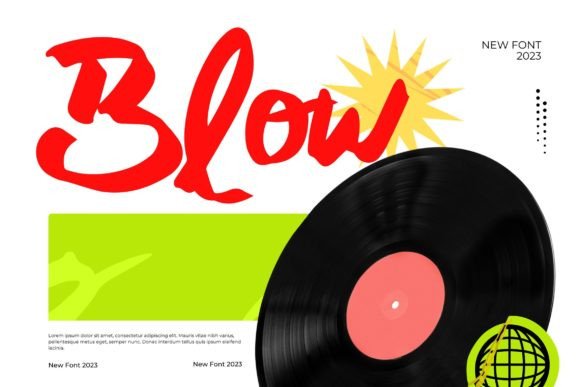
Visual communication relies heavily on the immediate impression a design makes. In a digital landscape saturated with content, capturing attention within seconds is not just an advantage; it is a necessity. This is where Blow enters the conversation. As a fun display font characterized by bold, impactful, and impossible-to-ignore letterforms, it serves a specific purpose in the designer’s toolkit. With thick, powerful strokes and striking shapes, Blow demands attention and makes a statement. It is not designed for long-form reading or subtle background textures. Instead, it conveys strength, confidence, and a sense of modernity, making it an ideal choice for headlines, posters, and branding projects that need to cut through the noise.
Understanding the Role of Display Typography
Before diving into specific use cases, it is essential to understand what defines a display font like Blow. Unlike serif or sans-serif typefaces optimized for body text, display fonts are engineered for large sizes. They prioritize personality and visual weight over readability at small scales. Blow exemplifies this category with its exaggerated proportions and heavy stroke width. For anyone involved in visual creation, recognizing when to use such a dominant typeface is a critical skill. It is not merely about choosing a font that looks "cool"; it is about aligning typographic choices with the emotional tone and functional requirements of a project.
The versatility of Blow lies in its ability to anchor a design. When used correctly, it provides a structural foundation that allows other elements—such as images, colors, and secondary text—to shine. However, its power also requires restraint. Overusing a font with such strong characteristics can lead to visual fatigue. The key is balance. By understanding the inherent qualities of Blow, creators can leverage its strengths while mitigating potential drawbacks.
Perspectives for Different Creators
The value of Blow varies significantly depending on who is using it and why. A freelance graphic designer, a small business owner, and an educator will all approach this typeface with different priorities and goals.
For Marketing Professionals and Entrepreneurs
Marketers and entrepreneurs often operate under tight deadlines with clear objectives: conversion and brand recognition. For these professionals, Blow offers a shortcut to high-impact visuals. When designing social media ads, event posters, or promotional banners, the goal is to stop the scroll. The thick, powerful strokes of Blow ensure that headlines remain legible even on small mobile screens or when viewed briefly in a feed.
Consider a startup launching a new energy drink. The brand identity needs to convey vigor and excitement. Using Blow for the product name on packaging or in digital ads instantly communicates energy. The font’s modernity aligns with contemporary trends, helping the brand appear current and relevant. For entrepreneurs without extensive design budgets, selecting a pre-made, high-quality display font like Blow can elevate the perceived value of their materials without requiring custom typography services.
For Graphic Designers and Brand Strategists
Experienced designers evaluate fonts based on flexibility, kerning quality, and how well they integrate into a broader visual system. For these professionals, Blow is a tool for establishing hierarchy. Its striking letterforms make it perfect for hero sections on websites or main titles in editorial layouts. Designers appreciate fonts that hold their shape when manipulated, whether stretched, colored, or layered with effects.
A brand strategist might choose Blow to signal a shift in company direction. If a traditional corporation wants to rebrand as more innovative and bold, switching to a heavy display font can visually reinforce that narrative. The confidence embedded in Blow’s design supports messages of authority and leadership. However, professionals must also consider pairing. Blow works best when contrasted with neutral, clean sans-serifs for body text, ensuring that the overall composition remains balanced and readable.
For Educators and Content Creators
Educators and bloggers face the challenge of making information engaging. While Blow is not suitable for textbook paragraphs, it excels in presentation slides, workshop headers, and blog post titles. A teacher creating materials for a history lesson on industrial revolution machinery might use Blow to mimic the heavy, mechanical aesthetic of the era. The font’s weight adds a tactile sense of importance to key concepts.
Similarly, YouTubers and podcasters need thumbnail text that pops. Blow’s impossible-to-ignore nature ensures that titles stand out against complex background images. For content creators, the ease of use is paramount. A font that requires minimal adjustment to look good saves time and allows for faster production cycles. The fun aspect of Blow also helps soften serious topics, making educational content feel more approachable and less intimidating.
Practical Applications and Best Practices
To get the most out of Blow, it is helpful to look at concrete examples of how it functions in real-world scenarios. Understanding these applications helps readers identify whether the font matches their specific project needs.
- Event Posters: Use Blow for the main event title. Its size and weight ensure visibility from a distance. Pair it with minimal graphics to let the typography do the work.
- Product Packaging: Ideal for short product names or taglines. The bold strokes create a strong shelf presence, distinguishing the product from competitors with thinner, quieter fonts.
- Website Headers: Effective for H1 tags on landing pages. It draws the eye immediately to the value proposition. Ensure sufficient white space around the text to prevent clutter.
- Social Media Graphics: Perfect for quote cards or announcement posts. The modernity of the font appeals to younger demographics, while its clarity ensures readability across devices.
When implementing Blow, consider the color palette. High-contrast combinations, such as black text on a bright yellow background or white text on a deep blue, enhance its impact. Avoid using it in low-contrast situations where the thick strokes might blend into the background. Additionally, pay attention to spacing. Display fonts often require tighter letter-spacing (kerning) to feel cohesive, but care must be taken not to let characters overlap illegibly.
Evaluating Fit for Your Project
Deciding whether Blow is the right choice involves assessing several factors: audience, medium, and message. If the target audience is conservative or the context is formal legal documentation, Blow is likely inappropriate. Its fun and bold nature clashes with serious, traditional tones. However, for lifestyle brands, tech startups, entertainment venues, or creative portfolios, it aligns perfectly with expectations of innovation and energy.
Beginners should start by using Blow sparingly. Limit its use to one or two lines per design to avoid overwhelming the viewer. As confidence grows, experiment with layering, opacity, and color gradients to add depth. Experienced users might explore custom modifications, such as breaking parts of the letters to create a distressed look, leveraging the font’s thick strokes as a canvas for texture.
Cost and licensing are also practical considerations. For small business owners and freelancers, ensuring that the font license covers commercial use is vital. Investing in a high-quality font like Blow often pays off in the long term through improved brand consistency and professional presentation. Unlike free, generic alternatives, premium display fonts usually offer better hinting, more character options, and superior support, which contributes to reliability and ease of use.
Conclusion
Blow is more than just a typeface; it is a communicative tool that conveys strength, confidence, and modernity. Its bold, impactful design makes it impossible to ignore, serving those who need to make a loud visual statement. Whether you are a marketer aiming for higher engagement, a designer building a brand identity, or an educator seeking to captivate students, understanding how to wield this font effectively can enhance your creative output. By matching the font’s characteristics to your project’s goals and respecting its limitations, you can harness its power to create designs that truly resonate.