Cidurian Font: A Practical Guide to Its Vintage Display Style and Design Applications
In the crowded landscape of digital typography, finding a typeface that balances character with legibility is a common challenge for designers. Cidurian emerges as a compelling option in this space, offering a vintage display style with distinctive handwritten characteristics. Unlike standard sans-serif or serif fonts that prioritize uniformity, Cidurian leans into the organic imperfections of human handwriting. This makes it particularly suitable for projects where personality and warmth are paramount. However, like any specialized tool, it is not a universal solution. Understanding its specific strengths, technical features, and ideal use cases is essential for determining whether it aligns with your design goals.
Understanding the Aesthetic and Character of Cidurian
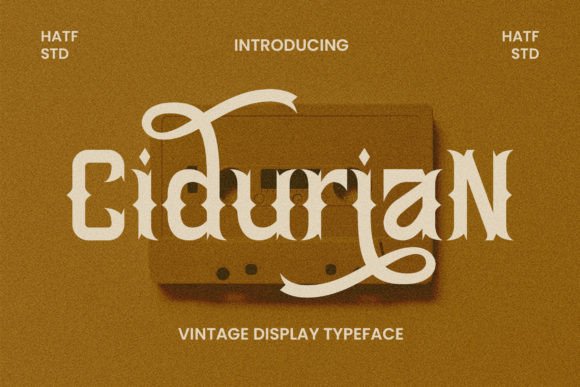
Cidurian is defined by its vintage display typeface style. The term "display" indicates that the font is designed primarily for headlines, titles, and short bursts of text rather than long-form body copy. Its handwritten nature introduces a level of authenticity that mechanical fonts often lack. Each character carries subtle variations in stroke weight and curvature, mimicking the natural flow of ink on paper. This aesthetic resonates strongly with contemporary trends that favor nostalgia, craftsmanship, and personal connection.
The distinctiveness of Cidurian lies in its ability to evoke a specific mood. It feels approachable yet refined, rustic yet polished. For branding projects, this duality allows businesses to communicate heritage and trust without appearing outdated. In wedding designs, it adds a touch of intimate elegance. When used in media posts or advertisements, it cuts through the noise of generic corporate typography. However, this stylistic strength is also its primary limitation. The intricate details that make Cidurian attractive can reduce readability at smaller sizes or in dense paragraphs. Therefore, it is best employed as an accent font rather than a workhorse for extensive text.
Technical Features and Versatility
Beyond its visual appeal, Cidurian offers a robust set of technical features that enhance its usability across various platforms and applications. A comprehensive understanding of these features helps designers maximize the font’s potential.
- Symbol and Punctuation Support: The font includes a wide range of symbols and punctuation marks, ensuring consistency in design elements such as quotes, dashes, and special characters. This is crucial for maintaining visual harmony in detailed layouts.
- Numerals: Cidurian provides styled numbers that match the handwritten aesthetic of the letters. This is particularly important for product packaging, pricing labels, and invitations where numerical data must blend seamlessly with textual content.
- Alternate Characters: One of the most valuable features for professional designers is the inclusion of alternate glyphs. These alternates allow for customization, preventing repetitive patterns in longer words and adding a unique flair to logos and monograms.
- Multilingual Support: With support for multiple languages, Cidurian is not limited to English-speaking markets. This broadens its applicability for international branding and diverse cultural projects.
- Case Sensitivity: The font includes both uppercase and lowercase characters, providing flexibility in hierarchy and emphasis. Designers can mix cases to create dynamic compositions or stick to one case for a more uniform look.
- Operating System Compatibility: Cidurian supports both Mac and Windows operating systems. This cross-platform compatibility ensures that files remain consistent when shared among teams using different hardware, a critical factor in collaborative workflows.
- Application Support: The font is optimized for major design applications such as Adobe Photoshop, Illustrator, and other industry-standard software. This ensures smooth integration into existing design pipelines without technical hurdles.
Comparing Cidurian to Other Typography Options
When evaluating Cidurian, it is helpful to compare it against other categories of typefaces to understand where it fits in the broader design ecosystem. Generally, fonts fall into several buckets: modern sans-serifs, traditional serifs, script fonts, and display fonts. Cidurian sits at the intersection of script and display, offering the readability of a display font with the fluidity of a script.
Compared to clean, geometric sans-serifs, Cidurian offers significantly more personality but less neutrality. If a project requires a minimalist, corporate, or highly functional aesthetic, a sans-serif might be a better choice. Sans-serifs excel in user interfaces and long-form reading due to their clarity. In contrast, Cidurian shines in contexts where emotional engagement is the goal. For instance, a tech startup might prefer a sleek sans-serif for its app interface, but a boutique coffee shop would likely benefit more from the warm, artisanal feel of Cidurian on its packaging.
When compared to other handwritten or script fonts, Cidurian distinguishes itself through its vintage display structure. Many script fonts prioritize continuous ligatures and complex connections, which can be difficult to read if not spaced correctly. Cidurian, being a display typeface, often features more separated characters or simpler connections, enhancing legibility while retaining the handwritten charm. This makes it a safer choice for designers who want the look of handwriting without the high risk of illegibility.
Another alternative category is the distressed or grunge font. While these also offer a vintage feel, they often sacrifice clarity for texture. Cidurian maintains a cleaner edge, making it more versatile for professional printing and digital screens where sharpness matters. It strikes a balance between raw authenticity and professional polish.
Ideal Use Cases for Cidurian
Identifying the right context for Cidurian is key to leveraging its strengths. Based on its characteristics, several specific applications stand out as particularly well-suited for this typeface.
Branding and Logos
For brands that want to convey authenticity, craftsmanship, or a personal touch, Cidurian is an excellent candidate. It works well for boutique businesses, artisanal products, and lifestyle brands. The distinctive handwritten characters help create a memorable logo that stands out from competitors using generic corporate fonts. The availability of alternate characters allows designers to tweak the logo for perfect balance and uniqueness.
Wedding Designs and Stationery
The romantic and elegant qualities of Cidurian make it a natural fit for wedding invitations, save-the-dates, and place cards. Its vintage style complements traditional and rustic wedding themes. The multilingual support is also beneficial for couples incorporating phrases from different cultures into their stationery. The font’s ability to handle both uppercase and lowercase gracefully allows for sophisticated typographic hierarchies in formal invitations.
Product Packaging and Labels
In the retail sector, packaging is a critical touchpoint. Cidurian’s handwritten style suggests handcrafted quality, which can elevate the perceived value of products like organic foods, cosmetics, and handmade goods. The included numerals and symbols ensure that ingredient lists, weights, and prices can be integrated stylistically without breaking the visual narrative. However, designers should ensure that mandatory legal text remains legible, possibly pairing Cidurian with a simpler sans-serif for fine print.
Digital Media and Advertising
For social media posts, banners, and digital advertisements, Cidurian can capture attention quickly. Its distinctive look stops the scroll, especially when used for short, impactful headlines. The support for design applications like Photoshop and Illustrator makes it easy to incorporate into graphic templates. Watermarks using Cidurian can add a subtle, artistic signature to photography portfolios, protecting images while enhancing their aesthetic appeal.
Limitations and Considerations
While Cidurian offers many advantages, it is not without limitations. Designers must be aware of these tradeoffs to avoid misapplication. The primary constraint is readability. As a display font, it is not suitable for body text, especially in small sizes. Using Cidurian for paragraphs in brochures or websites will strain the reader’s eyes and diminish the user experience. It should be reserved for headings, titles, and short phrases.
Another consideration is spacing. Handwritten fonts often require careful kerning and tracking adjustments to ensure even visual weight. Designers may need to spend extra time refining letter spacing, particularly when using all-caps or combining specific character pairs. Additionally, while the vintage style is trendy, it may not align with brands seeking a futuristic or ultra-modern image. Context is everything; what works for a bakery may not work for a financial institution.
Finally, while the font supports multiple languages, designers should always test specific character combinations in their target language to ensure the aesthetic remains consistent. Some diacritics or special characters may have different visual weights that require manual adjustment.
Making an Informed Decision
Choosing Cidurian depends on the specific needs of your project. If you are looking for a typeface that adds warmth, personality, and a vintage touch to your designs, Cidurian is a strong contender. Its comprehensive feature set, including alternates, multilingual support, and cross-platform compatibility, makes it a practical tool for professional designers. It is particularly effective for branding, weddings, packaging, and media where emotional connection is key.
However, if your project requires high legibility for long texts, a neutral corporate identity, or a minimalist aesthetic, you may need to explore other options such as clean sans-serifs or traditional serifs. The best approach is often to pair Cidurian with a complementary secondary font. This combination allows you to leverage the expressive power of Cidurian for headlines while maintaining clarity and functionality for body content.
Ultimately, Cidurian is a versatile and well-crafted resource for designers who value distinctive handwritten aesthetics. By understanding its strengths and limitations, you can make an informed decision about whether it is the right fit for your next creative endeavor. Whether you are designing a logo, an invitation, or a product label, Cidurian offers the tools to create engaging and memorable visual communications.