Cute Lovers: A Romantic Display Font for Design and Branding
In the vast landscape of typography, display fonts serve a specific purpose: to capture attention and convey mood instantly. Among these, Cute Lovers has emerged as a notable option for designers seeking a romantic aesthetic. This typeface is characterized by its whimsical structure and soft curves, making it a popular choice for projects that aim to evoke feelings of affection, warmth, and intimacy. Understanding the specific attributes of this font can help designers, marketers, and hobbyists determine whether it aligns with their creative objectives.
Understanding the Aesthetic of Cute Lovers
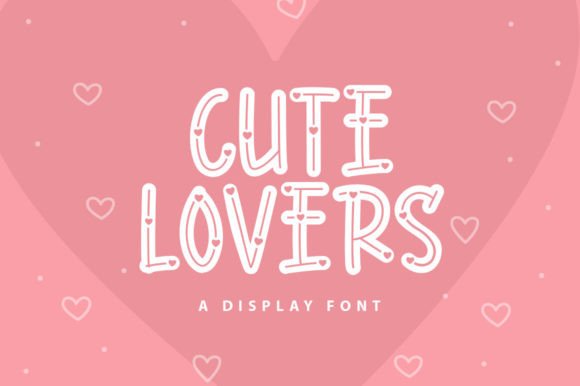
Cute Lovers is classified as a display font, which means it is designed primarily for use in headlines, titles, and short bursts of text rather than long-form body copy. The defining characteristic of this typeface is its romantic theme. The letterforms often feature rounded terminals, varying stroke weights, and a playful irregularity that mimics hand-lettering. This organic feel distinguishes it from rigid, geometric sans-serifs or traditional serifs.
One of the technical features that enhances its versatility is the ability to mix and match uppercase and lowercase letters effectively. Unlike some decorative fonts where capitalization rules are strict or where all-caps look disjointed, Cute Lovers maintains visual harmony regardless of case usage. This flexibility allows users to experiment with typographic hierarchy, emphasizing certain words through size or case changes without breaking the overall flow of the design.
Ideal Use Cases and Applications
The suitability of a font is largely determined by the context in which it is used. Cute Lovers excels in environments where emotional connection is a primary goal. Below are several scenarios where this font demonstrates strong performance:
- Wedding Invitations and Stationery: The romantic undertones of the font make it a natural fit for wedding suites, save-the-date cards, and menu designs. It complements floral illustrations and soft color palettes commonly found in bridal branding.
- Personal Blogging and Social Media: For lifestyle bloggers, particularly those focusing on relationships, parenting, or self-care, Cute Lovers can add a personal touch to headers and quote graphics. It helps establish a friendly, approachable voice.
- Crafting and DIY Projects: The font’s playful nature translates well to physical media. It is often used in scrapbooking, custom sticker designs, and handmade greeting cards where a human touch is valued over mechanical precision.
- Niche Branding: Small businesses in the beauty, confectionery, or boutique sectors may find this font effective for logos and packaging. It suggests a brand personality that is sweet, caring, and attentive to detail.
Evaluating Benefits and Tradeoffs
When selecting Cute Lovers for a project, it is essential to weigh its advantages against its limitations. No single typeface is universally applicable, and understanding these tradeoffs ensures better design outcomes.
Benefits
The primary benefit of Cute Lovers is its immediate emotional impact. It communicates warmth and affection without the need for additional imagery. This efficiency can streamline the design process, allowing the typography to carry the thematic weight of the project. Furthermore, its legibility in short phrases is generally good, provided the size is adequate. The mixed-case capability also offers creative freedom, enabling designers to create dynamic compositions that feel less static than standard typographic layouts.
Tradeoffs and Limitations
However, the very qualities that make Cute Lovers appealing also restrict its utility. As a display font, it lacks the optical clarity required for small sizes or dense text blocks. Using it for paragraphs, legal disclaimers, or detailed instructions will result in poor readability and viewer fatigue. Additionally, its strong personality can clash with serious or corporate subjects. Attempting to use this font for financial reports, technology startups, or medical communications would likely create a tonal mismatch, undermining the credibility of the content.
Another consideration is trend sensitivity. Whimsical, hand-drawn styles often cycle in and out of fashion. While Cute Lovers is currently relevant for romantic themes, designers should consider whether the font’s style aligns with a timeless brand identity or if it is intended for a temporary campaign.
Practical Decision-Making Insights
To determine if Cute Lovers is the right choice for your project, consider the following evaluation criteria:
- Define the Emotional Goal: Does the project need to feel sweet, intimate, or playful? If the desired emotion is authority, luxury, or minimalism, this font is likely not the best fit.
- Assess Text Volume: Will the text be limited to titles, logos, or short quotes? If you need to set more than two or three lines of text, consider pairing Cute Lovers with a neutral sans-serif or serif font for the body copy.
- Check Legibility at Scale: Always test the font at the actual size it will be printed or displayed. Intricate details in decorative fonts can disappear or blur when scaled down, especially on digital screens with lower resolution.
- Consider Pairing Options: Because Cute Lovers is highly stylized, it pairs best with simple, unadorned typefaces. A clean geometric sans-serif can provide a modern contrast, while a classic serif can enhance the romantic, traditional vibe.
When to Consider Alternatives
While Cute Lovers is a strong contender for romantic and playful designs, there are situations where alternatives may be more appropriate. If your project requires a more sophisticated or elegant romantic feel, a high-contrast script font might be a better choice. Script fonts often convey luxury and formality, whereas Cute Lovers leans towards casual and approachable.
For projects targeting a younger, more energetic demographic, a bold, rounded sans-serif might offer better readability while maintaining a friendly tone. Additionally, if the design needs to adhere to strict accessibility guidelines, such as those for visually impaired users, it is crucial to ensure that any decorative font is used only for non-essential decorative elements, with clear, high-legibility fonts used for all critical information.
Conclusion
Cute Lovers is a specialized tool in the designer’s toolkit. Its strength lies in its ability to convey romance and playfulness through its unique letterforms and flexible case usage. It is an excellent choice for wedding invitations, personal blogs, crafting projects, and brands seeking a warm, approachable identity. However, its effectiveness is contingent on proper application. By restricting its use to headlines and short texts, and pairing it with complementary typefaces, designers can maximize its impact while avoiding readability issues.
Ultimately, the decision to use Cute Lovers should be driven by the specific emotional and functional needs of the project. By evaluating the context, audience, and medium, creators can determine whether this romantic display font aligns with their goals, ensuring that the final design is both aesthetically pleasing and communicatively effective.