Mastering Nukami: How to Use This Brush Display Font Without Compromising Your Design Quality
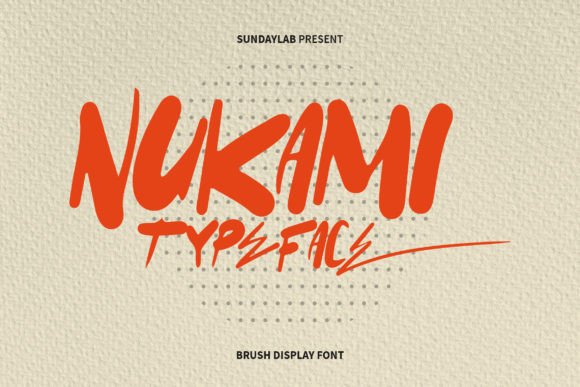
In the crowded landscape of graphic design, typography is often the deciding factor between a project that blends into the background and one that commands attention. Nukami has emerged as a compelling choice for designers seeking that perfect balance between raw energy and professional polish. As a display font characterized by its distinct brush strokes, it offers a visceral, hand-crafted aesthetic that resonates with modern audiences. However, the allure of such a dynamic typeface can sometimes lead creators down a path of misuse. Understanding not just what Nukami is, but how to wield it correctly, is essential for maintaining visual hierarchy and ensuring your message lands with impact.
This font is particularly versatile, finding its natural home on posters, flyers, magazine covers, books, vinyl records, CD jackets, and various other media where immediate visual engagement is crucial. Yet, many users overlook the technical nuances that make Nukami truly powerful, such as its PUA encoding. By diving deeper into common pitfalls and best practices, you can elevate your design work from amateurish to authoritative.
The Misconception of Versatility
One of the most frequent mistakes designers make with brush fonts like Nukami is assuming they are suitable for body text or long-form reading. The thick, textured strokes that make Nukami stunning at large sizes become illegible clutter when scaled down. Using this typeface for paragraphs in a brochure or small captions on a flyer is a surefire way to frustrate your audience. When readers struggle to decipher letters, they disengage from the content entirely, regardless of how valuable the information might be.
The better approach is to respect Nukami’s role as a display font. Reserve it for headlines, titles, and short, punchy statements. Pair it with a clean, neutral sans-serif or a highly readable serif for the supporting text. This contrast allows Nukami to shine as the hero of the design while ensuring the rest of the information remains accessible. For instance, on a concert poster, let Nukami scream the band’s name, but use a simple geometric sans-serif for the date, venue, and ticket details.
Overlooking PUA Encoding and Ligatures
A significant technical oversight occurs when users fail to utilize the full potential of Nukami’s character set. This font is PUA (Private Use Area) encoded, a feature that allows access to special glyphs, alternate characters, and ligatures that are not part of the standard Unicode set. Many beginners install the font and begin typing, unaware that they are missing out on unique stylistic flourishes that can differentiate their design from others using the same typeface.
Ignoring these features results in generic-looking layouts. If you are designing a logo or a custom header, relying solely on the default characters can make your work feel templated. To avoid this, familiarize yourself with the glyph panel in your design software. Explore the alternate swashes and connected ligatures that Nukami offers. These elements add a layer of sophistication and custom craftsmanship to your projects. For example, connecting the tail of one letter to the head of another using a built-in ligature can create a seamless, fluid look that manual kerning simply cannot replicate.
Ignoring Context and Medium Constraints
Another common error is failing to consider the physical or digital medium where the design will appear. Nukami’s brush character carries a certain weight and texture that interacts differently with various materials. On a glossy magazine cover, the fine details of the brush strokes will pop. However, on a low-resolution digital banner or a rough, uncoated paper flyer, those same details might blur or disappear, reducing legibility and visual impact.
Before finalizing your design, test how Nukami renders in its intended environment. If you are creating artwork for vinyl or CDs, consider how the ink will spread on the physical surface. You may need to adjust the tracking or choose a bolder weight if available to ensure clarity. For digital applications, ensure that the font files are properly embedded or converted to web-friendly formats without losing the integrity of the brush edges. A proactive check prevents costly reprints or ineffective digital ads.
Neglecting Color and Background Contrast
Brush fonts rely heavily on the negative space within and around the letters. A frequent misstep is placing Nukami over busy backgrounds or using colors that lack sufficient contrast. Because the strokes vary in thickness, parts of the letters can easily get lost against complex patterns or low-contrast color pairs. This diminishes the readability and the dramatic effect of the typeface.
To counter this, always prioritize high contrast. If you must place Nukami over an image, use overlays, drop shadows, or solid shapes behind the text to create a clear separation. Alternatively, isolate the text on a clean, solid background to let the brush textures breathe. Think of the font as a piece of art itself; it needs space to be appreciated. In a book cover design, for example, a solid dark background with light-colored Nukami text can create a striking, elegant presence that draws the eye immediately.
Skipping the Licensing and Usage Check
Finally, many creators rush to download and use fonts without verifying the licensing terms. While Nukami is designed to be accessible, understanding the specific permissions for commercial versus personal use is critical. Using a font incorrectly can lead to legal issues, especially for entrepreneurs and small business owners who may not have the resources to handle copyright disputes. Always check the license file included with the font download.
Ensure that your intended use—whether it’s for a client’s logo, a product package, or a social media ad—is covered. If you are unsure, reach out to the font creator or distributor for clarification. This simple step protects your business and respects the intellectual property of the type designer. It also ensures that you can use all the amazing glyphs and ligatures with ease, knowing you are fully compliant.
Making the Right Choice for Your Project
Choosing Nukami is more than just picking a pretty font; it is a strategic design decision. By avoiding these common pitfalls—misusing it for body text, ignoring PUA features, neglecting medium constraints, poor contrast choices, and licensing oversights—you can harness its full power. Remember, the goal is to communicate effectively while captivating your audience. Nukami provides the tools; your expertise provides the direction.
Take the time to experiment with the ligatures, test your designs in real-world scenarios, and pair the font thoughtfully. When used with intention and precision, Nukami transforms ordinary designs into memorable visual experiences. Whether you are a seasoned professional or a hobbyist just starting out, respecting the nuances of this brush display font will consistently elevate the quality of your work.