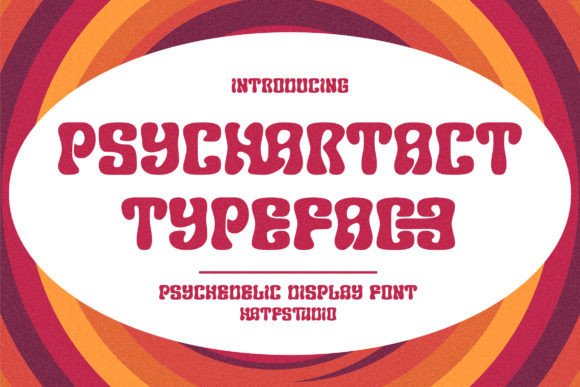
Psychartact: Retro Psychedelic Display Font
In the world of graphic design, typography is rarely just about legibility. It is about mood, era, and emotion. Psychartact enters this space as a bold statement piece, capturing the vibrant, chaotic, and free-spirited essence of the psychedelic era. This retro display font is not designed for long paragraphs of body text; rather, it thrives in the spotlight. With its intricate, eye-catching patterns and trippy vibes, Psychartact serves as a visual time machine, transporting viewers back to a period defined by experimental art and cultural revolution.
For designers, marketers, and creators, choosing a typeface like Psychartact involves more than just aesthetic preference. It requires understanding how such a distinctive style impacts brand perception, user engagement, and project goals. Whether you are a seasoned professional looking to add flair to a campaign or a hobbyist creating custom merchandise, understanding the nuances of this font can help you decide if it aligns with your creative vision.
Understanding the Aesthetic Appeal
At its core, Psychartact is a celebration of the 1960s and 70s design ethos. The letters feature bold structures filled with swirling, hypnotic patterns that demand attention. This "trippy" quality is not accidental; it is engineered to evoke a sense of movement and depth. When used correctly, the font does not just sit on the page—it dances. This makes it an exceptional choice for projects that aim to stand out in a crowded visual landscape.
The font’s personality is captivating and slightly rebellious. It exudes a free spirit that resonates with audiences seeking authenticity and nostalgia. For modern brands, leveraging this aesthetic can signal creativity, openness, and a break from corporate stiffness. However, because the style is so potent, it must be used with intention. Overuse can lead to visual fatigue, while strategic application creates memorable focal points.
Perspectives for Different Creators
Different users approach typography with varying priorities. What matters to a freelance illustrator may differ significantly from what a small business owner needs for their storefront signage. Here is how Psychartact fits into various creative workflows.
For Graphic Designers and Illustrators
Professional designers often seek fonts that offer flexibility and unique character. Psychartact provides a ready-made texture within the letterforms themselves. This reduces the need for additional embellishments or complex vector illustrations when creating headlines. For a designer working on a music festival poster or an album cover, this font can serve as the primary visual element. The intricate patterns within the letters allow for minimalistic layouts where the typography carries the weight of the design.
Practical Tip: Pair Psychartact with clean, sans-serif body fonts. This contrast ensures that the headline pops without overwhelming the reader, maintaining a balance between artistic expression and readability.
For Entrepreneurs and Small Business Owners
Small business owners, particularly those in lifestyle, fashion, or entertainment sectors, often look for ways to differentiate their brand identity. Psychartact can be a powerful tool for creating a distinct brand voice. Imagine a boutique coffee shop with a retro theme or a vintage clothing line. Using this font on packaging, loyalty cards, or window decals instantly communicates the brand’s vibe. It suggests a curated, nostalgic experience rather than a generic commercial transaction.
However, business owners must consider versatility. While Psychartact is excellent for logos and headers, it is not suitable for legal documents or detailed product descriptions. Evaluating the font’s role within the broader brand ecosystem is crucial. It should be a accent, not the foundation.
For Marketers and Content Creators
In digital marketing, stopping the scroll is half the battle. Social media graphics, YouTube thumbnails, and blog headers benefit from high-impact visuals. Psychartact’s bold and colorful nature makes it ideal for catchy titles that need to grab attention quickly. For marketers targeting demographics interested in retro culture, music, or arts, this font creates an immediate emotional connection.
Content creators also value ease of use. Since the font comes with pre-designed patterns, it saves time during the content creation process. Instead of spending hours designing custom lettering, creators can type out their headline and achieve a professional, stylized look instantly. This efficiency allows for faster turnaround times without sacrificing quality.
For Educators and Hobbyists
Educators teaching design history or typography can use Psychartact as a case study in era-specific design trends. It offers a tangible example of how cultural movements influence visual communication. For students and hobbyists, experimenting with such a distinctive font helps develop an eye for spacing, color theory, and composition. It encourages users to think beyond standard web-safe fonts and explore the expressive potential of type.
Hobbyists creating personal projects, such as zines, party invitations, or custom t-shirts, will find Psychartact accessible and fun. Its playful nature lowers the barrier to entry for non-designers who want their creations to look polished and thematic.
Evaluating Practical Considerations
When deciding whether to incorporate Psychartact into your toolkit, several practical factors come into play. These include readability, compatibility, and long-term usefulness.
- Readability: Due to its intricate patterns, Psychartact is best suited for short texts. Headlines, titles, and single words work best. Avoid using it for sentences longer than a few words, as the details can become visually noisy and hard to decipher.
- Color Usage: The font shines when paired with vibrant, contrasting colors. Monochrome applications can work, but the "psychedelic" effect is maximized when the internal patterns interact with bold hues. Experiment with gradients and complementary color palettes to enhance the trippy vibe.
- Contextual Fit: Consider your audience. While the retro aesthetic appeals to many, it may not align with brands aiming for a ultra-modern, minimalist, or corporate image. Ensure the font’s personality matches your message.
- Technical Compatibility: Verify that the font file format (usually OTF or TTF) is compatible with your design software and web platforms. For web use, check licensing terms to ensure you have the right to embed the font on websites.
Maximizing Impact in Real-World Projects
To get the most out of Psychartact, think about the context in which it will be viewed. On a large format print, such as a concert poster or billboard, the intricate details will be visible and appreciated. On smaller screens, like mobile devices, ensure the size is large enough for the patterns to remain distinct. Scaling is key; too small, and the font loses its charm; too large, and it may dominate the layout excessively.
For merchandise, such as tote bags or mugs, Psychartact can turn a simple item into a statement piece. Consumers often buy products that reflect their identity or interests. A t-shirt featuring a witty phrase in this font becomes wearable art, appealing to those who appreciate retro aesthetics and bold design.
Ultimately, Psychartact is more than just a set of characters. It is a design resource that encapsulates a specific cultural moment. By understanding its strengths and limitations, creators across various fields can leverage its power to create engaging, memorable, and visually striking work. Whether you are designing a album cover, branding a new venture, or simply exploring creative typography, this font offers a unique pathway to expressiveness.
As you evaluate your next project, ask yourself: Does this design need to whisper, or does it need to shout? If the goal is to captivate, energize, and transport the viewer, Psychartact may well be the perfect typographic voice for your message.