Splatterpunks: The Ultimate Hand-Drawn Brush Font for Horror Designers
When the leaves begin to turn and the air grows crisp, designers across the globe start preparing for the most visually demanding season of the year: Halloween. For graphic designers, illustrators, and marketing professionals, this period is not just about pumpkins and candy; it is a critical window for creating high-impact visual assets that capture attention in a saturated market. The challenge lies in finding typography that does more than simply spell out a word—it must evoke an immediate emotional response. This is where Splatterpunks enters the conversation, offering a distinct solution for those seeking to inject genuine terror and raw energy into their creative projects.
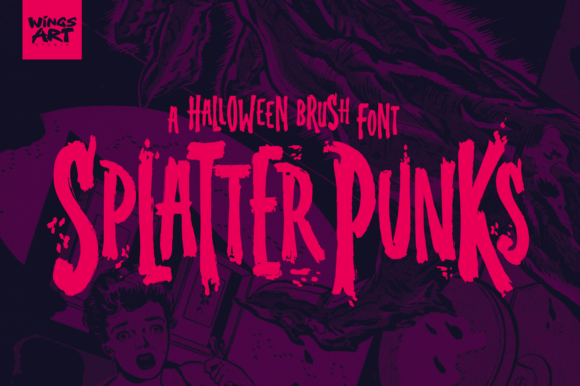
Splatterpunks is not merely another digital typeface; it is a hand-drawn brush font meticulously crafted to mirror the aesthetic of blood-soaked horror comics from the 1970s and 80s. In an era where digital perfection often sterilizes design, this font brings back the gritty, organic imperfections that define true horror. Its textured, all-caps lettering creates a spine-tingling tension, ensuring that your audience remains on tenterhooks from the first glance. By understanding the specific needs of modern horror-themed design, we can explore how this unique typographic tool can elevate your work from standard seasonal decor to memorable, chilling art.
The Challenge of Authentic Horror Aesthetics
One of the most persistent challenges in horror design is achieving authenticity without crossing into cliché. Many designers struggle with fonts that feel too clean, too digital, or overly reliant on standard "spooky" tropes like dripping blood effects that look artificial. The goal is to create a sense of unease and urgency, but standard sans-serif or serif fonts rarely convey the visceral panic required for effective horror messaging. Furthermore, generic horror fonts often lack the nuance needed to differentiate a brand or a project in a crowded marketplace.
This is where the specific characteristics of Splatterpunks address a critical gap in the designer’s toolkit. Inspired by the underground comix and grindhouse posters of previous decades, this font captures the chaotic energy of hand-lettered distress. It solves the problem of sterile digital design by introducing organic texture and irregularity. For professionals aiming to create movie posters, book covers, or event flyers, the need is for a typeface that feels handmade and dangerous. Splatterpunks provides this by mimicking the stroke of a dry brush dragging across rough paper, complete with splatters and uneven edges that suggest violence and decay.
Practical Applications for Design Professionals
Understanding what Splatterpunks is allows us to identify where it fits best within a professional workflow. Its creeping, stretched appearance—often described as resembling the arched back of a surprised cat—makes it exceptionally versatile for various media formats. Here are several practical applications where this font can drive significant results:
- Film and Theater Posters: For independent horror films or local theater productions, the title treatment is crucial. Splatterpunks offers a diabolical set of tools that can serve as the centerpiece of a poster, immediately signaling the genre to potential viewers.
- Book Cover Design: Authors and publishers in the thriller and horror genres require typography that promises excitement. Using this font for titles can enhance the perceived value of the book, suggesting a gritty, intense narrative inside.
- Halloween Event Branding: Haunted houses, escape rooms, and themed parties need branding that stands out on social media and physical signage. The all-caps nature of the font ensures readability at a distance while maintaining its textured impact.
- Merchandise and Apparel: T-shirts, tote bags, and posters featuring Splatterpunks appeal directly to horror fans who appreciate vintage aesthetics. The hand-drawn quality translates well to screen printing, adding tangible value to physical products.
Each of these applications benefits from the font’s ability to evoke nostalgia for the golden age of horror comics. By leveraging this cultural reference, designers can tap into a deep-seated appreciation for the genre among adult audiences who grew up with or admire the aesthetics of the 70s and 80s.
Tailoring the Approach for Different Users
Different users will approach Splatterpunks with varying goals, and understanding these perspectives can help maximize its utility. For instance, a freelance graphic designer working on a tight deadline might prioritize the font’s ease of use. Since it is an all-caps font, it eliminates the need to worry about lowercase kerning issues, allowing for rapid layout adjustments. The textured look means that less additional effect work is required in post-production, saving valuable time.
Conversely, a brand manager for a horror-themed subscription box or online store might focus on consistency and brand identity. For them, Splatterpunks serves as a cornerstone of their visual language. They might use it exclusively for headlines and logos, pairing it with cleaner, more readable body text to ensure that the overall design remains professional while still delivering the necessary thematic punch. This balance between chaos and clarity is essential for maintaining user engagement without sacrificing usability.
Illustrators and comic artists may approach the font differently, viewing it as a complementary element to their artwork. Because Splatterpunks is inspired by hand-drawn comics, it integrates seamlessly with illustrated backgrounds. Artists can use the font’s splattered edges to interact with their illustrations, creating a cohesive composition where text and image feel like they belong to the same universe. This level of integration is difficult to achieve with standard digital fonts, making Splatterpunks a preferred choice for narrative-driven visual projects.
Implementation Tips and Best Practices
To get the most out of Splatterpunks, consider the following recommendations for implementation. First, respect the whitespace. Because the font is textured and visually heavy, it requires ample breathing room to avoid looking cluttered. Avoid placing it over busy backgrounds unless you use strong contrast techniques, such as drop shadows or outlines, to ensure legibility.
Second, pair it wisely. While Splatterpunks is powerful on its own, it works best when contrasted with simpler typefaces for secondary information. A clean sans-serif font for dates, times, and descriptions will allow the horror font to shine as the primary attention-grabber without overwhelming the viewer with too much visual noise.
Finally, experiment with color. Although the font evokes blood and darkness, it does not have to be limited to red and black. Deep purples, sickly greens, or stark whites can also enhance the eerie atmosphere, depending on the specific mood you wish to convey. The textured nature of the brush strokes interacts differently with various colors, offering endless possibilities for customization.
In conclusion, Splatterpunks is more than just a font; it is a strategic asset for anyone looking to create impactful horror-themed designs this Halloween. By addressing the need for authentic, gritty aesthetics and providing a versatile tool for various applications, it empowers designers to produce work that resonates deeply with audiences. Whether you are creating a movie poster, a book cover, or event branding, incorporating Splatterpunks can transform your project from ordinary to unforgettable, ensuring that your message leaves a lasting, spine-tingling impression.