Melting Font: A Versatile Choice for Thematic Design Projects
In the expansive world of digital typography, selecting the right typeface is often the most critical decision in establishing a project's visual identity. Melting is a decorative font that has gained attention for its distinct aesthetic, characterized by fluid, dripping forms that evoke a sense of transformation and decay. This article evaluates the characteristics of Melting, explores its ideal applications, and provides practical insights for designers and content creators determining whether this typeface aligns with their specific creative goals.
Understanding the Aesthetic of Melting
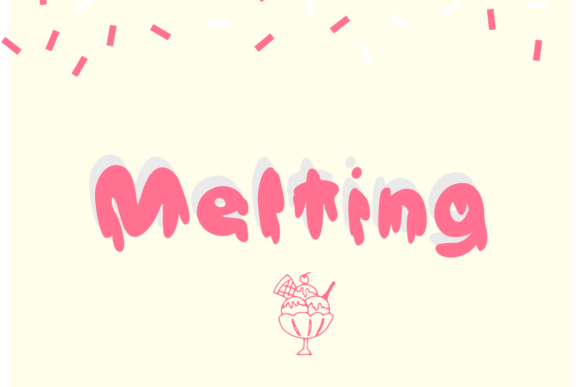
Melting is defined by its liquid-like structure. The letters appear to be losing their solid form, with strokes extending downward as if subjected to heat or gravity. This visual effect creates an immediate emotional response, ranging from playful sweetness to unsettling horror, depending on the context in which it is used. Unlike standard sans-serif or serif fonts that prioritize readability and neutrality, Melting prioritizes atmosphere and thematic resonance.
The font’s design allows it to bridge two seemingly opposite genres: the whimsical and the macabre. On one hand, the "dripping" effect naturally mimics melting ice cream, chocolate, or wax, making it suitable for culinary and confectionery themes. On the other hand, the same visual language resembles blood or viscous fluids, which makes it a powerful tool for Halloween content, horror-themed branding, and spooky seasonal campaigns. Understanding this duality is essential for leveraging the font effectively.
Ideal Use Cases and Applications
When evaluating whether to incorporate Melting into a design project, it is helpful to consider the specific industries and mediums where its stylistic traits offer the most value. The font is particularly effective in scenarios where the primary goal is to capture attention through thematic immersion rather than dense information delivery.
- Food and Beverage Branding: For projects related to ice cream shops, dessert cafes, or chocolate products, Melting provides a literal visual representation of the product experience. It works well on packaging labels, menu headers, and promotional posters where the sensation of melting is a key selling point.
- Seasonal and Holiday Marketing: During October, the demand for Halloween-themed assets spikes. Melting serves as a versatile option for creating flyers, banners, and social media graphics that require a spooky yet stylish tone. Its ability to mimic blood breeding or slime makes it a strong candidate for horror movie promotions, haunted house advertisements, and themed party invitations.
- Print Media and Titles: Due to its decorative nature, Melting is best suited for short-form text. It excels in book titles, magazine headlines, and card designs where the text acts as a graphical element. Using it for long paragraphs would compromise readability, but as a title treatment, it adds significant character.
- Digital Social Content: In the fast-scrolling environment of social media, distinctive typography can stop the user’s eye. Melting is effective for Instagram stories, TikTok overlays, and Pinterest pins where the visual impact must be immediate and aligned with a specific mood or trend.
Benefits and Strategic Advantages
One of the primary benefits of using Melting is its versatility within niche markets. Many decorative fonts are limited to a single theme; however, Melting’s ambiguous liquid form allows it to pivot between cute and creepy based on color palette and accompanying imagery. For example, pairing the font with pastel pinks and whites creates a sweet, inviting feel, while using deep reds and blacks shifts the tone to something menacing.
Additionally, the font reduces the need for extensive graphic manipulation. Because the letters already possess a dynamic, distorted shape, designers do not need to apply complex effects to make the text look organic or fluid. This can streamline the design process for flyers and banners, allowing for quicker turnaround times without sacrificing visual interest.
Tradeoffs and Limitations
While Melting offers strong thematic appeal, it comes with inherent tradeoffs that must be considered during the selection process. The most significant limitation is readability. Decorative fonts with irregular shapes and extended strokes are difficult to read at small sizes or in long blocks of text. Therefore, Melting should never be used for body copy, legal disclaimers, or detailed informational content.
Another consideration is contextual appropriateness. The font’s dramatic style may clash with brands that aim for professionalism, minimalism, or corporate reliability. Using Melting for a financial report, a medical brochure, or a tech startup’s official correspondence would likely undermine the intended message of stability and trust. It is a specialized tool, not a general-purpose solution.
Furthermore, overuse of such a distinctive font can lead to visual fatigue. If every element of a design uses Melting, the layout may appear chaotic and unbalanced. It is most effective when used sparingly as an accent typeface, paired with a clean, neutral sans-serif font for supporting text.
Comparing Alternatives
When deciding on a typeface, it is useful to compare Melting against other options in the decorative category. If the project requires a more structured look with only subtle playful elements, a rounded sans-serif font might be a better alternative. These fonts offer better legibility while still maintaining a friendly tone, making them suitable for broader audiences.
For horror-specific projects, if the goal is pure terror rather than stylized spookiness, designers might consider distressed or grunge fonts that simulate wear and tear rather than liquid distortion. These alternatives convey age and decay, which may be more appropriate for historical horror or post-apocalyptic themes, whereas Melting suggests active transformation or freshness gone wrong.
Ultimately, the choice depends on the specific emotion the designer wishes to evoke. Melting is unique in its ability to suggest both deliciousness and danger, a nuance that many other decorative fonts do not capture.
Practical Decision-Making Insights
To determine if Melting is the right choice for your project, consider the following questions:
- What is the primary emotion? If you want to evoke curiosity, playfulness, or mild unease, Melting is a strong fit. If you need to convey authority or clarity, look elsewhere.
- How much text is involved? If the text is limited to a headline, logo, or short phrase, Melting will perform well. If you need to display paragraphs of information, reserve Melting for the title only.
- Who is the audience? Younger audiences or those engaging with entertainment and lifestyle content are more likely to respond positively to decorative typography. Professional or academic audiences may find it distracting.
- What is the medium? Large-format prints like banners and posters allow the details of the font to be appreciated. Small mobile screens may render the intricate drips less effective, so ensure adequate sizing and contrast.
Conclusion
Melting is a compelling decorative font that offers a unique blend of whimsy and intrigue. Its ability to adapt to both sweet and spooky themes makes it a valuable asset for designers working on ice cream branding, Halloween promotions, and creative social media content. However, its effectiveness relies on strategic application. By respecting its limitations regarding readability and context, creators can leverage Melting to enhance visual storytelling and create memorable, thematic designs. When evaluated against project goals and audience expectations, Melting stands out as a specialized tool for those seeking to make a bold, atmospheric statement.