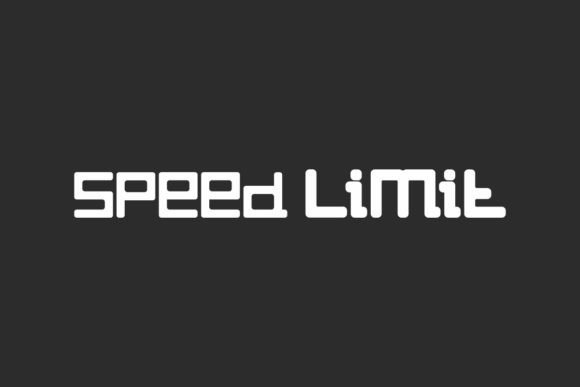
Speed Limit Font: A Dynamic Design Choice
In the fast-paced world of digital design, typography does more than just convey words; it sets the pace. Speed Limit, a distinctive display font by VinType Studio, captures the essence of motion and energy. It is not merely a typeface but a visual statement that resonates with audiences seeking excitement, precision, and modernity. Whether you are designing a logo for a new automotive brand or creating promotional graphics for an esports tournament, this font offers the versatility and impact needed to stand out in a crowded marketplace.
The appeal of Speed Limit lies in its ability to bridge the gap between retro racing aesthetics and contemporary minimalism. It speaks to a generation that values speed, efficiency, and style. By understanding how to leverage its unique characteristics, designers and creators can elevate their projects from ordinary to extraordinary. This article explores the practical applications, creative possibilities, and strategic benefits of incorporating Speed Limit into your design toolkit.
Understanding the Anatomy of Motion
At its core, Speed Limit is designed to evoke a sense of forward momentum. The letterforms are structured with sharp angles and streamlined curves that mimic the aerodynamics of high-performance vehicles. This geometric precision makes it an ideal choice for industries where performance and reliability are paramount. However, its utility extends far beyond the racetrack.
The font family includes three distinct styles: Regular, Italic, and Bold. Each style serves a specific purpose in the hierarchy of design. The Regular weight offers balance and readability, making it suitable for subheadings or short body text in display contexts. The Italic style introduces a dynamic slant, enhancing the perception of speed and urgency. Meanwhile, the Bold weight commands attention, perfect for main headlines and impactful statements.
Having these variations allows for a cohesive visual identity across different media. You can use the Bold style for a poster headline and the Regular style for supporting details, ensuring that the design remains consistent while maintaining visual interest. This flexibility is crucial for brands that need to adapt their messaging across various platforms, from social media posts to large-format prints.
Versatile Applications Across Industries
One of the most compelling aspects of Speed Limit is its adaptability. While its roots are firmly planted in the gaming and sports sectors, its clean lines and modern aesthetic make it suitable for a wide range of industries. Here is how different sectors can leverage this typeface:
- Automotive and Accessories: For car dealerships, repair shops, or accessory brands, Speed Limit reinforces the connection to performance and engineering. It works exceptionally well on business cards, signage, and product packaging.
- Gaming and Esports: In the competitive world of gaming, visuals need to be bold and immediate. This font’s aggressive yet clean look fits perfectly with team logos, tournament banners, and streaming overlays.
- Fashion and Lifestyle: Modern streetwear brands often draw inspiration from sports and urban culture. Using Speed Limit on t-shirts, hoodies, or lookbooks can add an edge that appeals to younger demographics.
- Cafés and Hospitality: For cafes with a modern, industrial vibe, this font can be used for menu headers or wall art, creating an atmosphere of energy and contemporariness.
- Men’s Skincare and Grooming: Brands targeting men often use strong, masculine typography. Speed Limit conveys confidence and precision, aligning well with products that promise effective results.
By recognizing these diverse applications, designers can break free from traditional categorizations. The key is to match the font’s energy with the brand’s personality. If a brand wants to appear dynamic, reliable, and modern, Speed Limit is a strong candidate.
Creative Strategies for Effective Design
Using a display font like Speed Limit requires a thoughtful approach. Because it is highly stylized, it should be used strategically to maximize impact without overwhelming the viewer. Here are some practical recommendations for integrating this font into your designs:
Prioritize Hierarchy and Contrast
Since Speed Limit is a display font, it is best suited for headlines and short phrases. Pair it with a simple, neutral sans-serif font for body text to ensure readability. This contrast helps guide the viewer’s eye and prevents visual fatigue. For example, use Speed Limit Bold for the main title and a clean, lightweight sans-serif for the descriptive paragraph. This combination creates a balanced composition that is both engaging and easy to read.
Embrace Negative Space
The geometric nature of Speed Limit benefits from ample white space. Crowding the letters can diminish their impact and make the design feel cluttered. Allow the characters to breathe by increasing letter spacing (kerning) slightly, especially when using the All-Caps style. This technique enhances legibility and adds a premium feel to the design.
Experiment with Color and Texture
While the font shape is strong, color plays a vital role in setting the mood. For sports and gaming themes, high-contrast combinations like black and neon green or red and white work well. For fashion or skincare, consider monochromatic schemes or muted tones to create a sophisticated look. Additionally, applying textures such as metallic gradients or distressed effects can add depth and character, provided they do not obscure the letterforms.
Tailoring Content for Different Audiences
Different audiences respond to visual cues in unique ways. Understanding these nuances allows you to tailor your use of Speed Limit for maximum effectiveness.
For entrepreneurs and small business owners, the font can help establish a strong brand identity from day one. A consistent typographic style builds recognition and trust. When launching a new product, using Speed Limit on packaging can signal quality and innovation.
Marketers and bloggers can use this font to create eye-catching social media graphics. In a feed full of content, a bold headline in Speed Limit can stop the scroll and encourage engagement. However, it is essential to keep the message concise. Display fonts are not meant for long paragraphs; they are for making a quick, powerful impression.
Educators and publishers might find limited use for this font in traditional textbooks, but it can be highly effective in materials related to physical education, technology, or modern history. It can help make educational content feel more relevant and engaging to students.
Maintaining Consistency and Originality
To keep your designs clear and effective, consistency is key. Once you choose Speed Limit for a project, stick to its designated roles. Do not mix it with too many other display fonts, as this can create visual confusion. Instead, let it be the star of the show.
Originality comes from how you combine the font with other design elements. Experiment with layout, alignment, and integration with images. For instance, overlapping the text with a dynamic photograph can create a sense of depth and movement. The goal is to create a harmonious composition where the typography enhances the overall message rather than competing with it.
In conclusion, Speed Limit by VinType Studio is more than just a font; it is a tool for communication. Its three styles offer the flexibility needed for various design challenges, while its aesthetic appeals to a broad range of industries. By understanding its strengths and applying it with intention, creators can produce work that is not only visually striking but also strategically effective. Whether you are designing for speed, style, or substance, this typeface provides the foundation for impactful visual storytelling.